An oil-injected screw compressor has three consumables that are easy to mix up: the air filter, the oil filter, and the oil separator. They sound similar but do very different jobs. Knowing the difference helps you order the right filter or separator and spot problems early.
Air filter — clean air entering the machine
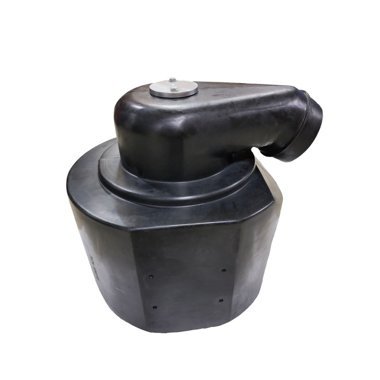
The air filter sits at the intake and stops airborne dust and grit before they reach the compression element. It is the machine’s first line of defence. On a dusty site it is usually the fastest-wearing consumable, and a blocked air filter can increase inlet restriction and reduce compressor performance before it fails outright. Inspect the housing and seals as well as the element, because an air path around the media defeats filtration.
Oil filter — clean lubricant circulating
Inside the machine, oil is injected into the element to seal, cool and lubricate it. The oil filter keeps that circulating oil clean, catching wear particles before they reach bearings and rotors. Filter media, flow capacity and bypass behavior matter; similar external dimensions do not make two oil filters technically equivalent.
Oil separator — reduce oil in the compressed air
After compression, the air is full of oil mist. The oil separator’s job is to pull that oil back out so what leaves the machine is clean compressed air and returns separated oil to the circuit. A saturated, damaged or incorrectly fitted separator can contribute to pressure drop or oil carryover, but those symptoms still require system-level diagnosis.
How the three components compare
| Component | What it cleans | Typical concern |
|---|---|---|
| Air filter | Inlet air | Restriction or dust bypass |
| Oil filter | Circulating lubricant | Restricted or contaminated oil flow |
| Oil separator | Compressed air/oil mixture | Pressure drop or oil carryover |
Air filter cleans the air going in; oil filter cleans the oil inside; separator cleans the air coming out. All three are changed on the machine’s service schedule, but not necessarily at the same intervention. When a scheduled event calls for several components, a genuine service kit is the simplest way to get matched parts in one order.
Diagnose the symptom before replacing a component
High differential pressure, reduced output and high oil consumption can have more than one cause. Check service history, oil level and type, return line condition, temperature, leaks and operating pressure alongside the filter or separator. Replacing a separator without correcting a blocked return line, for example, may leave the original symptom in place.
Ordering checklist
- Record the full part number from the removed element and packaging.
- Provide compressor model and serial number for a revision check.
- State whether you need one element or the full scheduled service kit.
- Do not substitute by diameter, thread or appearance alone.