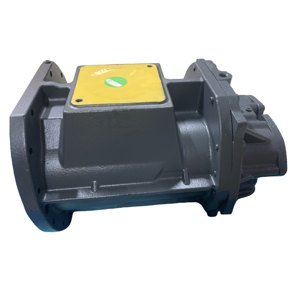
The airend— the screw compression element — is the heart of an Atlas Copco screw compressor. It's where the air is actually compressed, and it's the single most expensive component to replace. Knowing how it behaves, and catching problems early, is what keeps a small repair from becoming a new airend.
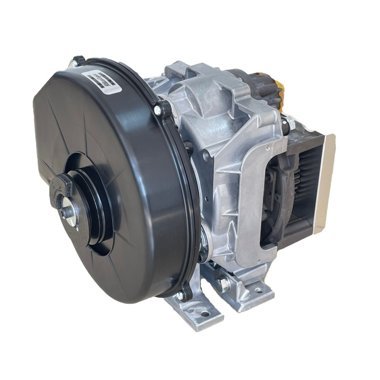
What the airend does
Inside the airend, two precisely-matched rotors turn together and squeeze air to pressure, with oil injected to seal, cool and lubricate them. Because the tolerances are so fine, the airend depends completely on clean oil and clean air — which is why the filters and separator and the right oil matter so much to its life.
Warning signs that justify investigation
- Rising temperature or frequent high-temperature shutdowns.
- Unusual noise — rattling, whining or knocking from the element.
- Drop in air output or pressure that the machine can't hold.
- High oil consumption or metal particles in the oil.
These observations can also result from cooling, lubrication, intake, valve, drive or measurement problems. Staying on the service schedule is the cheapest airend protection, but diagnosis should use data rather than one symptom.
A sensible diagnostic path before ordering
- Record loaded and unloaded pressure, temperature, running hours and active alarms.
- Check lubricant level and condition, filters, coolers, ventilation and separator pressure drop.
- Inspect for intake restriction, leaks, valve problems and abnormal drive or bearing noise.
- Compare output using a reliable measurement method and the machine’s stated conditions.
- Have qualified service personnel assess metal debris, rotor contact or internal damage.
Exchange, overhaul or new replacement
When internal wear or damage is confirmed, availability may include a new element, a manufacturer exchange element or overhaul by a qualified center. Compare total downtime, warranty scope, return-core conditions, included accessories and commissioning requirements — not only the component price.
Match the correct airend
Use the element label number, compressor model and serial number together. Confirm rotation, drive arrangement, pressure version, ports and any current supersession. Also ask which fittings, sensors, couplings or service parts are included and which must be transferred from the old element.
Information to include in an airend enquiry
- Photos of the element label and complete compressor serial plate.
- Exact airend and compressor part numbers as printed.
- Running hours, pressure version and a concise symptom history.
- Destination, required delivery date and whether exchange-core return is possible.