The air/oil separator sits after the compression element in an oil-injected screw compressor. It coalesces oil mist so oil can return to the circuit and compressed air can leave with low residual oil. When oil consumption rises or separator pressure drop becomes abnormal, replacing the element may be correct — but it should follow a short diagnostic process.
How the separation circuit works
Air and injected oil leave the screw element as a mixture. Bulk oil separates in the vessel; fine droplets are captured by the separator media, coalesce and return through the scavenge or oil-return circuit. The separator vessel, media, seals, return line, minimum-pressure system and lubricant all affect the result. This is why one symptom can have several causes.
Diagnostic path for high oil carryover
- Confirm the observation. Separate compressor carryover from downstream contamination or condensate.
- Check oil level correctly. Overfilling can send excess oil into the separation path.
- Inspect the return circuit. A blocked or incorrectly positioned scavenge line can prevent collected oil from returning.
- Review operating conditions. Temperature, pressure, short cycles and sustained low load can affect separation.
- Confirm lubricant. Wrong, mixed or degraded oil can foam or separate poorly.
- Assess the separator. Damage, saturation, seal problems or incorrect installation remain important possibilities.
Diagnostic path for high separator pressure drop
Use the compressor’s service information and approved measurement points. Check whether the reading is stable, whether a sensor or line is blocked and whether the machine is operating at a comparable load and pressure. A restricted separator can raise the internal pressure needed to deliver the same plant pressure, increasing energy demand and heat. Never open a vessel to investigate until it is isolated, depressurized and safe under the site procedure.
Safe inspection after shutdown
- Follow lockout, isolation, cooling and zero-pressure procedures.
- Record the installed separator number and service hours before removal.
- Inspect seals, grounding provisions, return-line hardware and vessel cleanliness.
- Do not reuse damaged seals or improvise gasket materials.
- Preserve the old element if a failure analysis or warranty review is possible.
Select the replacement by number and service scope
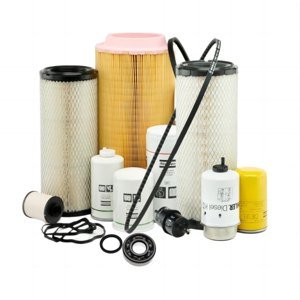
Some separators are individual elements; others are supplied through a service kit. Provide the compressor model and serial, the removed element number and the applicable maintenance event. Confirm all seals, grounding parts and return-line items in the quoted scope. A dimensional match does not verify media performance or safe fitment.
After service: record enough data to judge the result
Note the installed part number, oil product, operating hours and date. After qualified startup checks, trend pressure drop, temperature and oil consumption under comparable conditions. If the original symptom remains, return to the system-level causes instead of immediately replacing the new element again.